03.12.2025
Cham Arts
An introduction to traditional Cham music — its songs, ritual chants, and sacred instruments.
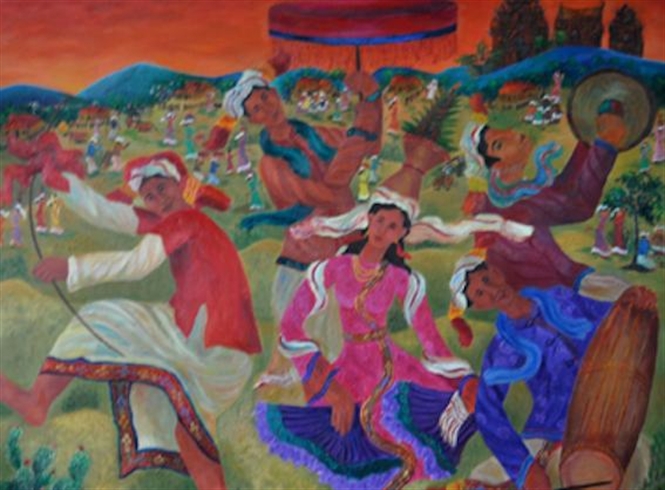
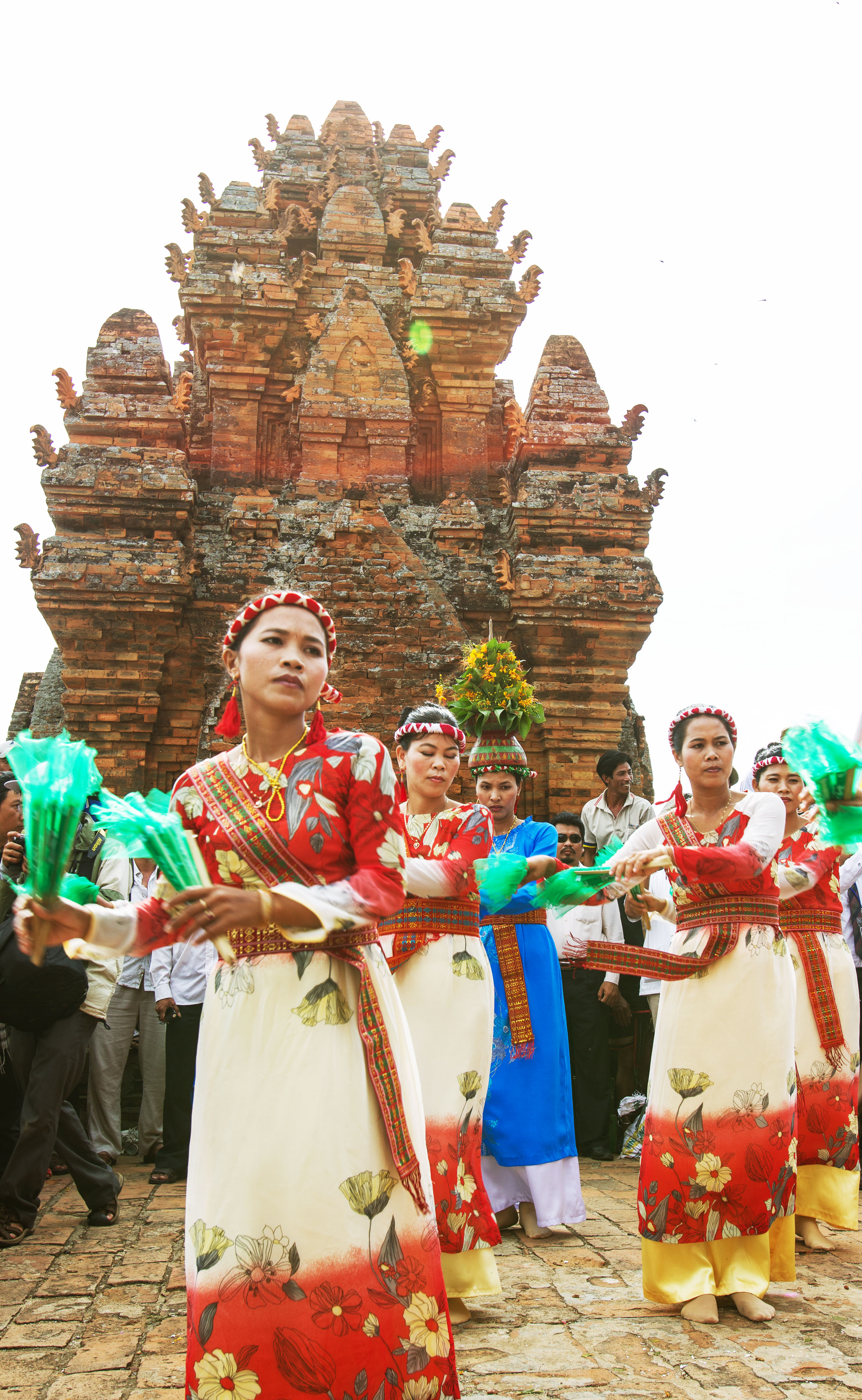
Traditional Cham music, song, and dance are performed not only during festivals but also on stage, radio, and television. Cham folk songs fall broadly into four categories: hymns recounting the lives and deeds of the gods; courtship duets between men and women; work songs describing fishing and farming labor; and narrative chants, similar to epic recitation traditions found among Vietnam's other ethnic groups.
During religious rites, the ritual chants of the Kadhar and Maduen priests serve as hymns of praise to the gods, structured in three parts: an opening invocation inviting the deities, a middle section recounting their lives and deeds, and a closing section bidding them farewell as they return to the heavens. By one count, the Cham possess around 75 distinct ritual songs. The Kadhar's chants carry a slow, mournful, narrative tone, while the Maduen's are more free-flowing and rousing — each type tied to specific rites and occasions.
Traditional instruments play a central role in these ceremonies: the rabap fiddle is associated with the Kadhar priest, the baranung drum with the Maduen, while the kanhi — a two-stringed fiddle used specifically in Ahier Cham funerals — plays mournful melodies that guide the soul of the departed onward. These instruments are more than musical tools; they serve as a sacred bridge between the human and spirit worlds.
In later generations, composers such as Dang Nang Qua and Amu Nhan drew on this ancient musical heritage to write new songs that preserve its distinctive character — built around the ginang drum, baranung drum, saranai horn, gongs, bells, and kanhi fiddle — while giving it a contemporary voice, ensuring that the rich tradition of Cham music continues to be passed down.